Description
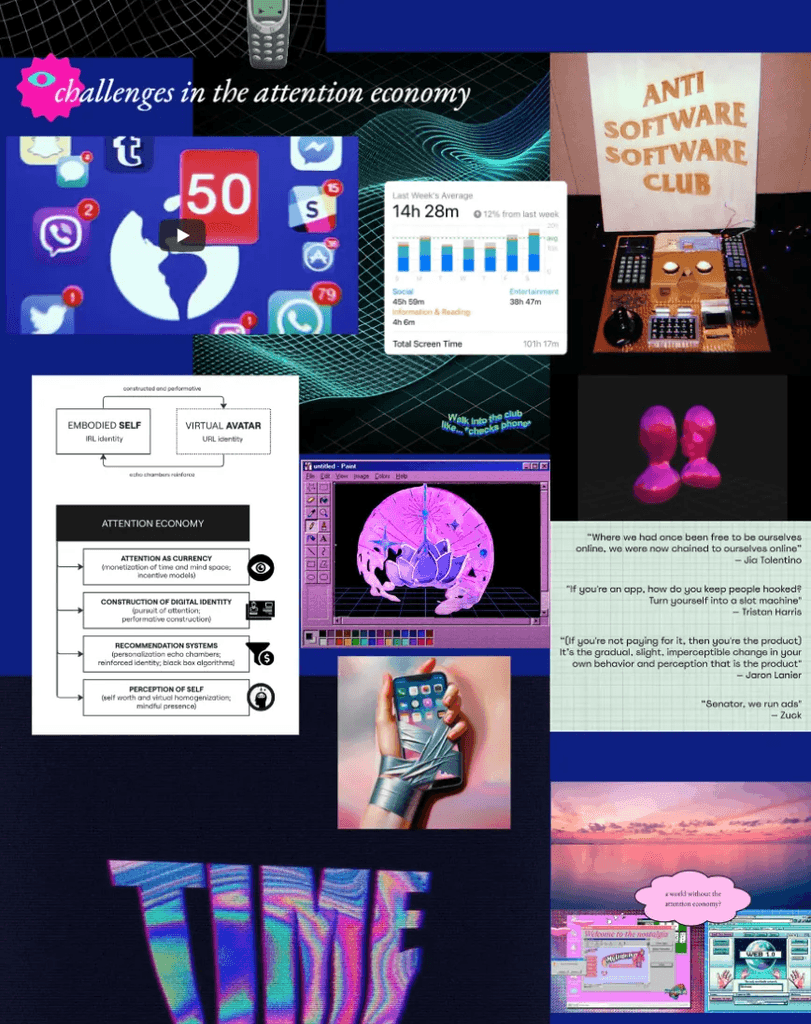
In today’s attention economy, where devices monopolize our time, the fundamental interfaces of our primary computing devices — smartphones — have stagnated. Despite numerous technological advancements, the core interaction model has remained unchanged for nearly two decades.
What if our devices were not merely vessels for apps competing for attention, but companions optimized to improve our wellbeing, and support our individual goals and freedom?
I examined this question, and in the process designed flux, a speculative exploration that reimagines the future of human-computer interaction in an AI-first world, challenging the static, app-centric paradigm with dynamic, goal-oriented, fluid interface.
Date: May 2024

Motivation
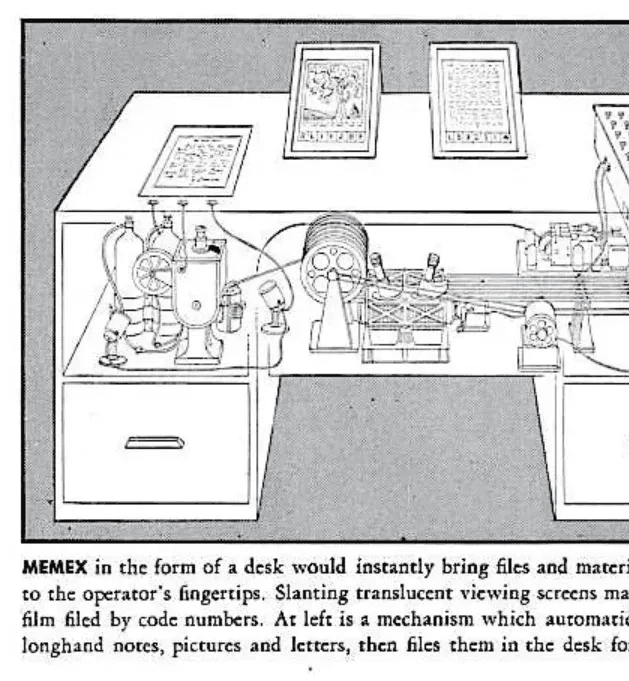
Since its inception, human-computer interfaces have largely mimicked the physical world: functional, analog objects like telephones, cameras, calculators, notebooks found their digital twins in applications. The desktop metaphor has roots in early conceptualizations of computing — Dr. Vannevar Bush’s 1945 seminal essay As We May Think envisioned the Memex, and Douglas Engelbart’s “mother of all demos” in 1968 laid the foundation of the personal computing revolution. As new technologies emerge, they inherit the burden of this legacy and the desktop metaphor carries forward.
Apple’s 2007 iPhone launch ushered in the modern smartphone era with its revolutionary multi-touch interface and app ecosystem that marked a significant paradigm shift in mobile computing. Despite advancements such as voice assistants and dynamic widgets, the operating system interface has remained largely the same in the last two decades. Interacting with phones still involves navigating paginated screens, and these devices essentially serve as vessels for apps that are competing for the user’s screen time and engagement.
Current solutions to combat digital distraction such as dumbphones like Techless and distraction-restricting apps like Brick and Opal aim to reduce screen time by blocking or limiting access to apps deemed distracting by introducing additional friction. They reject the value certain applications might provide and strip away functionalities of modern smartphones, which can feel like a step backward.
Moreover, next-gen AI devices envision a post-interface reality and promise an era of intelligent ambient computing. Shifting away from traditional app-based, visual interfaces and UI paradigms, these devices — that take the form of wearables and pocket companions — operate primarily through voice interactions. Current first-generation AI devices lack the visual flexibility or output quality to entirely replace smartphones as standalone primary devices.
Flux seeks to bridge these gaps by conceptualizing how AI can alter our interaction with smartphones. Instead of restricting access or eliminating screens, this project explores how leveraging AI can create a more dynamic and empowering user experience, and liberate us by giving us back our time and freedom.
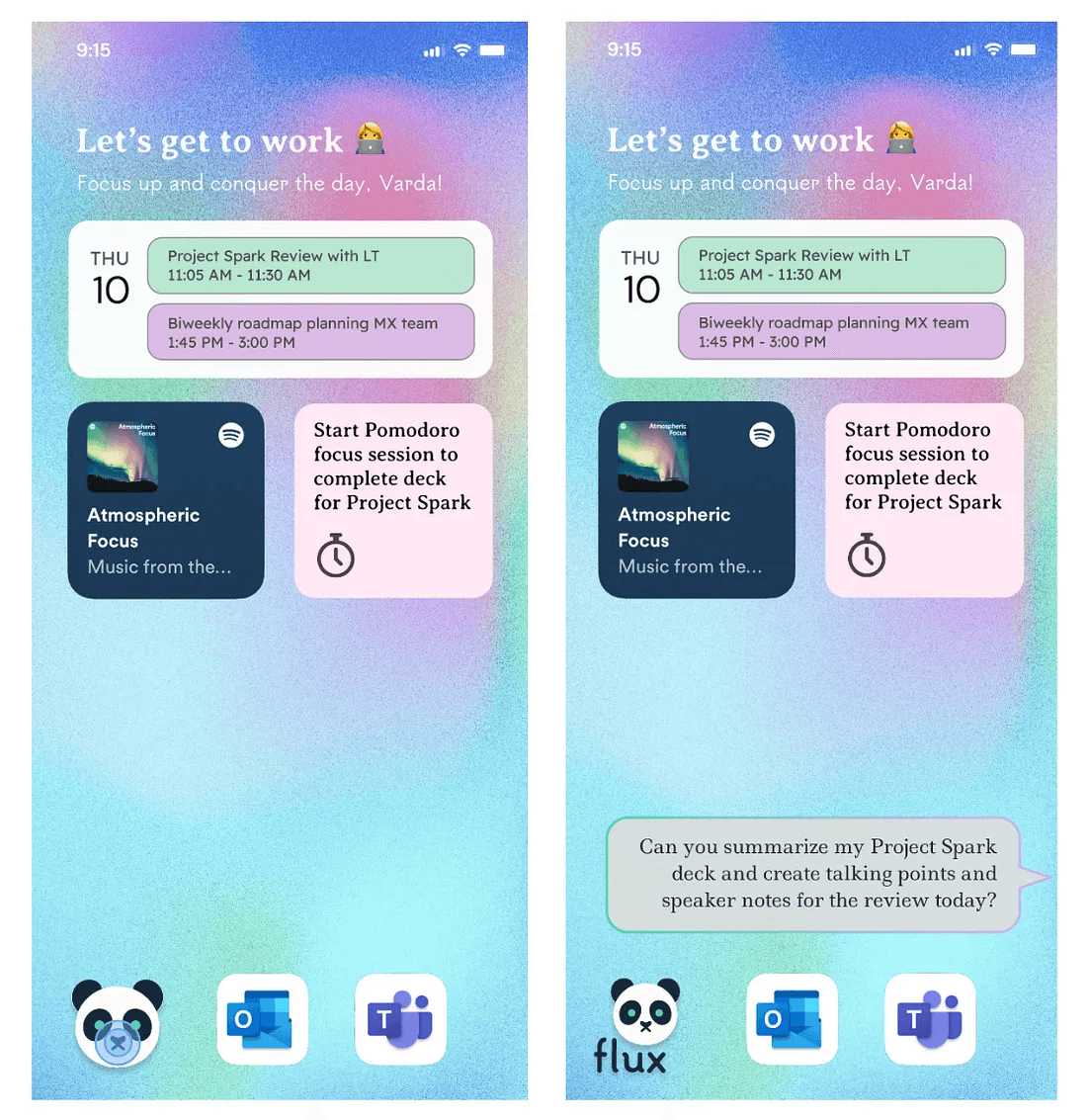
Flux reimagines the OS interface as a fluid, intuitive system that adapts to your needs throughout the day. At its core, Flux is powered by a multi-AI agent system capable of taking proactive actions across different apps. By leveraging generative UI, Flux moves beyond text-only responses to provide rich, adaptive, visual components. Flux transforms the user experience from a static, fixed interface into a responsive and immersive one. This approach ensures the device remains attuned to the user’s needs and evolves in alignment with their goals.
Let’s imagine a typical day using Flux, a speculative AI agent-driven OS with an omnipresent assistant that understands your schedule, habits and goals. (Interactive Design Prototype)
Morning
You wake up, and instead of navigating through endless notifications or your generic home screen, Flux provides a tailored view of your morning, nudging you towards goals you had previously set such as meditation and journaling.
Work
Your dynamic home evolves to get you in a focus mode for the work day and helps you prepare for your upcoming meetings. Other apps you might need may still be accessed, but they’re not front and center.
Post-Work
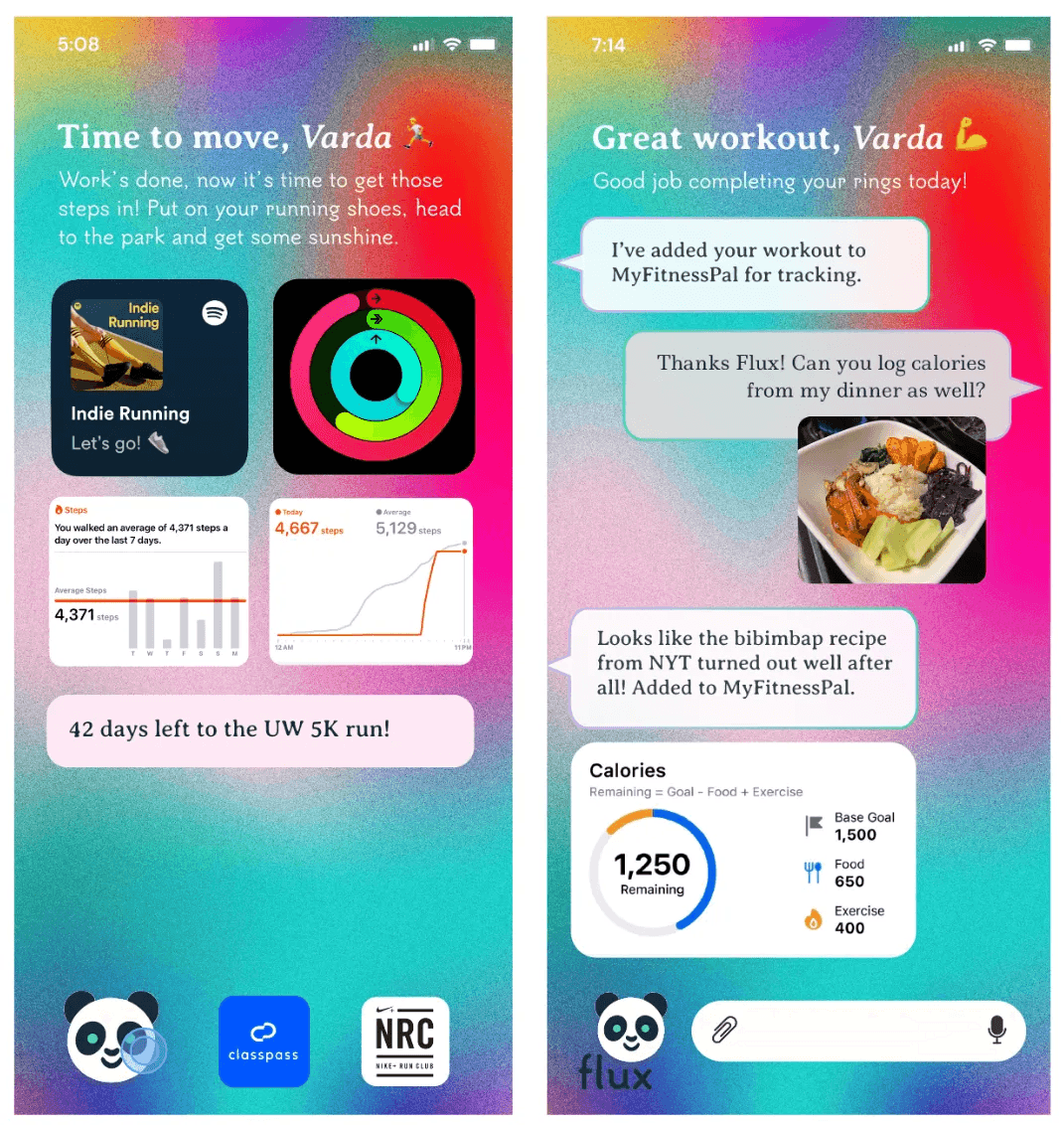
In the evening, your fluid home screen updates to encourage you to step outside and exercise. Instead of surfacing apps that could draw you in for hours and keep you from meeting your goals in the real-world, the interface evolves to support your wellbeing. Flux can also take actions on your behalf, like tracking your workouts and meals.
Evening
Flux can help consolidate, store and retrieve data across your applications, prompting you to take action on things you come across, like new recipes or restaurants. Unlike many apps designed to maximize engagement and screen time, Flux focuses on helping you achieve your goals in the real world, so you can live your best life away from screens while getting the value from rich capabilities your device offers.
Night
As your day winds down, Flux shifts its interface to reflect your end of day routine.
As we move towards an AI-first future, the way we interact with our devices is evolving. A post-screen reality driven by ambient intelligence is on the horizon. Flux acts as a bridge between today’s familiar, static, app-centric interfaces and the fluid, intuitive experiences of tomorrow.
Flux aims to enhance our well-being and productivity by deeply understanding our schedules, habits and goals, but this level of integration necessitates a rigorous examination of issues related to privacy, security, ethical governance. There’s no doubt that AI can bring positive, transformative changes across industries and everyday life, but there is a lot at stake. We need to proactively consider the implications of human-AI interactions on us as individuals and as a society, in order to leverage AI to thoughtfully design a positive future.